Sleep Reset Device

A premium, non-invasive, custom-made device designed to meaningfully improve the quality of your sleep*.

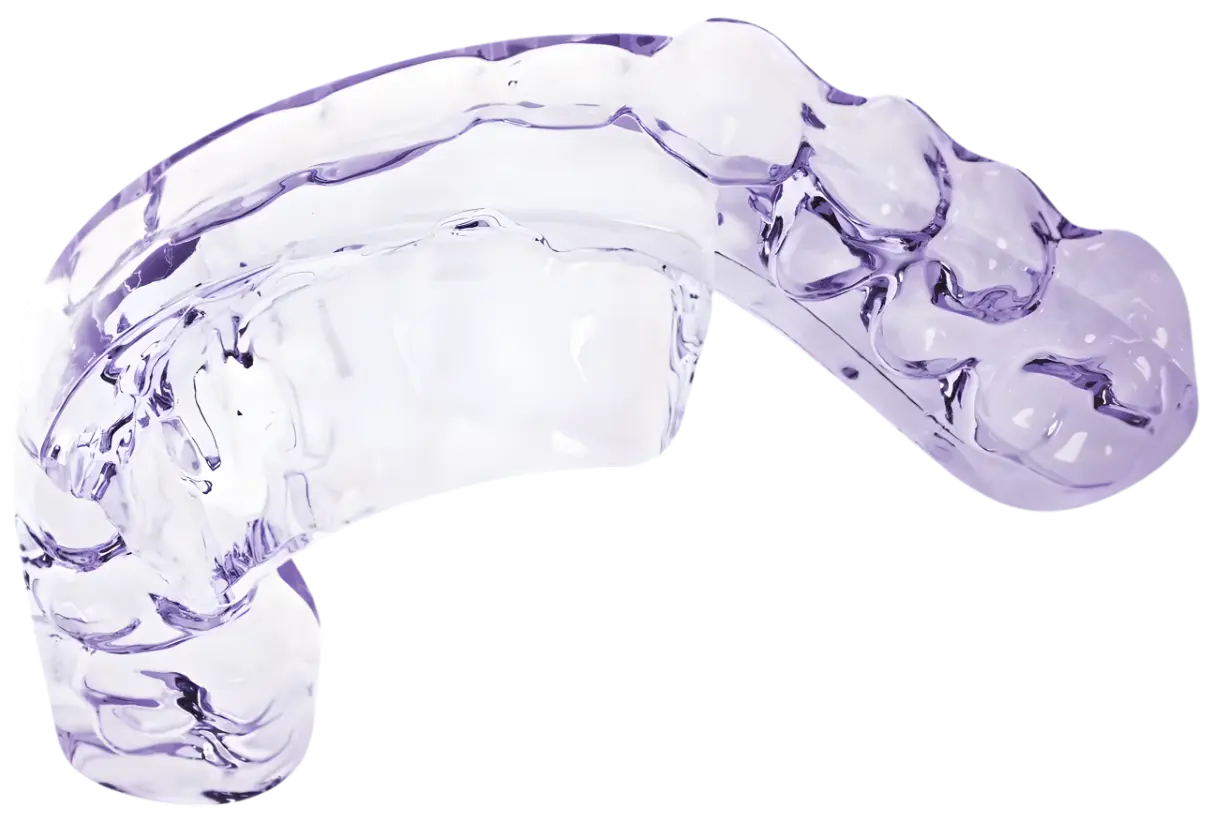
Precision technology, custom-made, worn at night, that works to balance your sleep apparatus (jaw, face & neck complex, tongue, airway & breathing) — so your body can reach real deep sleep.

Sleep Reset Device — custom oral device worn nightly for deep sleep restoration

Swiss technology

Engineered with premium materials and precision fit.

Patented

Non-invasive approach at the body's structural level.

15 years of R&D

Evidence-guided development and continuous iteration.

1,000+ clients helped

Deployed in real homes with measured, lived outcomes.

*Based on Elva Health internal observational studies.

THE "SLEEP APPARATUS"

How the Body Enables Deep, Restorative Sleep

In its natural aligned state — its "factory settings" — the body sets itself up for deep, restorative sleep. It does this through what we call the sleep apparatus: the aligned functions of the face, jaw, tongue, and neck complex.

  • Lips gently closed; calm nasal breathing.
  • Tongue resting on the palate for airway stability.
  • Lower jaw neutral — neither retracted nor strained.
  • Facial, jaw, and neck muscles balanced, free of excess tension.
  • Front teeth in light, passive contact — a "safe to rest" signal.

References:
Neu D. et al., European Journal of Oral Sciences (2018)
Jordan A.S. & White D.P., Sleep Medicine Reviews (2008)
Zheng Y. et al., Korean Journal of Orthodontics (2023)
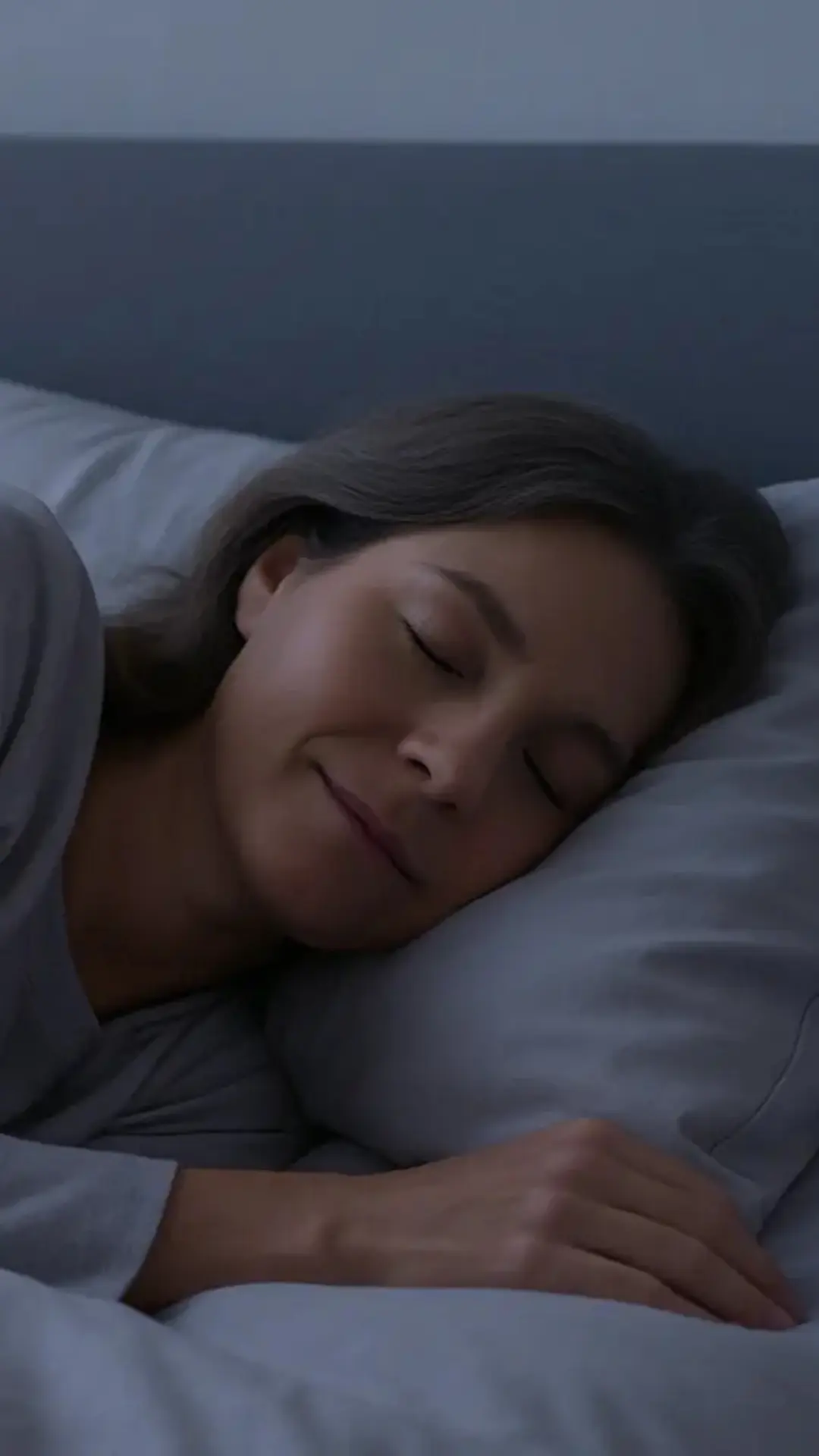
Sleeping woman — relaxed jaw and calm breathing

Night Guards, Jaw Tension & Sleep

Night guards are usually created to protect teeth. The Sleep Reset Device was built for a wider task: to help the jaw, tongue and surrounding muscles return to a more natural balance at night, so the nervous system can allow deeper, more continuous sleep.

The table below shows how it differs from common guards. Under the table we explain what this means in real life — and how current research supports these differences.

Functional focus of each device type

Functional focus Soft guards (boil-and-bite) Custom hard guards (dental) Sleep Reset Device
Primary purposeTooth wear protectionTooth wear protectionSupport the night-time sleep system (teeth, muscles, tongue, breathing)
Effect on jaw-muscle load often increases activity neutral to small reduction designed to reduce excess jaw & facial muscle load
Tongue & jaw position stability no direct effect mainly bite-based supports a more stable night-time position
Support for breathing no support no support geometry chosen to encourage natural nasal breathing patterns
Intended outcomeProtect enamelProtect enamelImprove sleep continuity & night-time recovery

What this difference means in everyday life

Same idea — very different jobs.

Soft and hard night guards can be a reasonable choice if the main goal is simply to reduce mechanical load on the teeth. They do not usually change how the jaw muscles, tongue and airway behave during sleep.

The Sleep Reset Device goes further. It is designed to:

  • lower excess jaw and facial muscle activity at night,
  • support a more stable tongue and jaw position,
  • calm the sensitive field around the jaw (trigeminal system) that keeps the body "on guard".

This combination helps the nervous system shift into a deeper, steadier sleep rhythm. Because sleep is not only about teeth, we never offer the device on its own — it is always part of an individual Sleep Reset Program.

Soft vs hard guards — how the muscles actually react:

In controlled sleep recordings, hard splints tended to reduce jaw-muscle activity, while soft splints often led to more clenching and chewing movements. Soft guards can be comfortable, but the jaw does not truly calm down.

EFFECTS OF HARD AND SOFT OCCLUSAL SPLINTS ON NOCTURNAL BRUXISM

Okeson J.P. · Journal of the American Dental Association · 1987

Okeson compared nocturnal jaw-muscle activity in patients using hard acrylic splints versus soft splints. Hard splints generally reduced the frequency and intensity of bruxism episodes, whereas soft splints often increased muscle activity.

Read the study

Not all "relaxation" designs are equal:

Newer work on soft stabilisation splints shows that some designs can even raise EMG activity in the jaw muscles. The material and geometry of a device matter: simply calling a guard "relaxation-type" does not guarantee that muscles actually relax.

INFLUENCE OF SOFT STABILIZATION SPLINT ON EMG ACTIVITY

Zielinski G. et al. · Journal of Clinical Medicine · 2023

Zielinski et al. measured electromyographic activity of jaw muscles in patients wearing a soft stabilisation splint. In a substantial portion of participants, EMG values increased rather than decreased during use.

Read the study

From tooth protection to full sleep restoration:

In our own data, many clients arrive after trying one or more night guards. Teeth may be protected, but jaw tension, light sleep and morning fatigue remain. When the Sleep Reset Device is combined with structured guidance, jaw load decreases, breathing becomes more stable and clients report heavier, more restorative sleep.

ELVA SLEEP STUDIES: STRUCTURAL INTERVENTION AND SUBJECTIVE SLEEP QUALITY

Elva Health Internal Data · Ongoing

Elva Health's observational work tracks changes in self-reported sleep quality, jaw tension and daytime function in clients using the Sleep Reset Device within a guided program.

Read about Elva Sleep Studies

Ready to try a device designed for sleep restoration — not just tooth protection?

Start Sleep Assessment